

What Happens If Someone Drives Your Car and Gets Into an Accident?
One of the most common questions in auto insurance is also one of the most misunderstood:
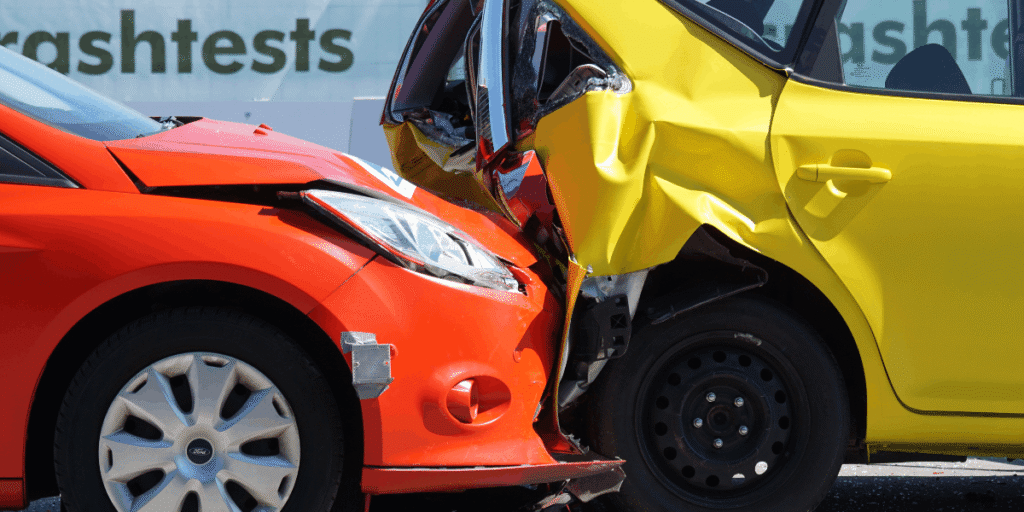
What happens if someone else drives your car and gets into an accident?
Many drivers assume insurance automatically follows the person driving the vehicle. Others believe that if a friend causes the accident, their own insurance will not be affected. In reality, the answer depends on several factors, including permission, policy terms, coverage limits, and the specific circumstances of the accident.
At The Beacon Insurance Agency, this is a conversation we frequently have with clients because misunderstandings around permissive drivers can create unexpected financial risks.
In many cases, insurance follows the car
In general, auto insurance is primarily tied to the insured vehicle, not only to the person driving it. The Insurance Information Institute explains that basic personal auto insurance provides financial protection when the policyholder or another driver using the insured car causes an accident that damages property or injures someone (Insurance Information Institute, n.d.-a).
This is why many sources explain the concept simply: in many cases, insurance follows the car, not the driver. NerdWallet notes that if you lend your car to someone and that person causes an accident, your policy is usually the primary coverage responding to the claim (NerdWallet, 2026). Bankrate also explains that auto insurance generally follows the vehicle, although exceptions and policy details matter (Bankrate, 2025a).
That means lending your car is not just lending a vehicle. In practical terms, you may also be sharing part of the financial responsibility connected to that vehicle.
Permission matters
A key question is whether the person had permission to drive the car.
Drivers who have permission to use your vehicle are often called permissive drivers. Bankrate explains that permissive use may be expressed or implied, depending on the relationship, past behavior, and policy terms (Bankrate, 2025b).
However, not every policy handles permissive use exactly the same way. Some policies may limit how often another person can borrow the vehicle, while others may require certain regular drivers to be listed on the policy.
This is why lending your car casually can create problems if the person driving it is not really an occasional driver, but someone who uses it frequently.
Your policy limits still matter
Even when coverage applies, it only applies up to the limits of the policy.
The Insurance Information Institute explains that bodily injury liability applies when listed drivers, or other authorized drivers operating your vehicle, cause injuries to someone else. It also warns that having enough liability insurance is important because serious accidents can result in lawsuits and large financial claims (Insurance Information Institute, n.d.-b).
Property damage liability works in a similar way. It pays for damage that you, or someone driving your vehicle with permission, may cause to another person’s property (Insurance Information Institute, n.d.-b).
If the accident exceeds your liability limits, there may still be financial exposure beyond what insurance pays.
The borrower’s insurance may not be first
A common misconception is that if your friend has auto insurance, their policy automatically pays first.
That is usually not how it works. NerdWallet explains that the owner’s policy is typically primary, while the borrower’s insurance may become involved only later, depending on the situation and policy limits (NerdWallet, 2026).
This means an accident caused by someone else in your car may still become a claim under your policy. It may also affect your future premiums, depending on the insurer and claim circumstances.
Regular drivers should usually be listed
There is an important difference between someone who borrows your car occasionally and someone who drives it regularly.
Bankrate explains that most auto insurers require household members with a valid license and access to the vehicle to be listed on the policy, because they represent part of the risk being insured (Bankrate, 2025c).
NerdWallet also notes that people who often borrow your car may need to be added to the policy to make sure coverage applies properly (NerdWallet, 2026).
This is especially relevant for spouses, teenagers, roommates, relatives, or anyone who has frequent access to the vehicle.
Excluded drivers are different
If a driver is specifically excluded from the policy, coverage can be denied if that person drives the car and causes an accident.
This is one of the biggest areas of confusion. A person may have permission from the owner, but if they are excluded under the policy, that permission may not create coverage.
Before lending a car, it is important to understand whether the driver is allowed under the policy, listed where necessary, or excluded.
Business use can change the answer
Another mistake is assuming personal auto insurance covers every possible use of the vehicle.
The Insurance Information Institute explains that auto policies include different types of coverages and conditions, and that policyholders should understand what is covered, what is optional, and what is not covered (Insurance Information Institute, n.d.-a).
If the car is being used for delivery work, rideshare activity, business transportation, or commercial purposes, a personal auto policy may not respond the same way. In those cases, the driver may need a different type of coverage.
A smarter way to think before lending your car
Before allowing someone else to drive your vehicle, it is worth asking a few practical questions: Is this person an occasional driver or a regular driver? Does my policy allow permissive use? Are my liability limits strong enough? Is the person excluded from my policy? Is the vehicle being used for personal or business purposes?
At The Beacon Insurance Agency, we help clients understand how their coverage works in real-life situations, not only in theory.
Because the best time to understand your policy is before an accident happens.
References (APA)
Bankrate. (2025a). Does auto insurance follow the car or the person?
https://www.bankrate.com/insurance/car/does-insurance-follow-the-car-or-the-driver/
Bankrate. (2025b). What is permissive use car insurance?
https://www.bankrate.com/insurance/car/permissive-use/
Bankrate. (2025c). What happens if you add a driver to your car insurance?
https://www.bankrate.com/insurance/car/multiple-drivers/
Insurance Information Institute. (n.d.-a). Auto insurance basics—understanding your coverage.
https://www.iii.org/article/auto-insurance-basics-understanding-your-coverage
Insurance Information Institute. (n.d.-b). What is covered by a basic auto insurance policy?
https://www.iii.org/article/what-covered-basic-auto-insurance-policy
Insurance Information Institute. (n.d.-c). Auto insurance jargon buster.
https://www.iii.org/article/auto-insurance-jargon-buster
National Association of Insurance Commissioners. (n.d.). Auto insurance.
https://content.naic.org/consumer/auto-insurance.htm
NerdWallet. (2026). Why you should be careful when lending out your car.
https://www.nerdwallet.com/insurance/auto/learn/auto-insurance-friend-borrows-car